Bran Castle, Romania – Known as Dracula's Castle
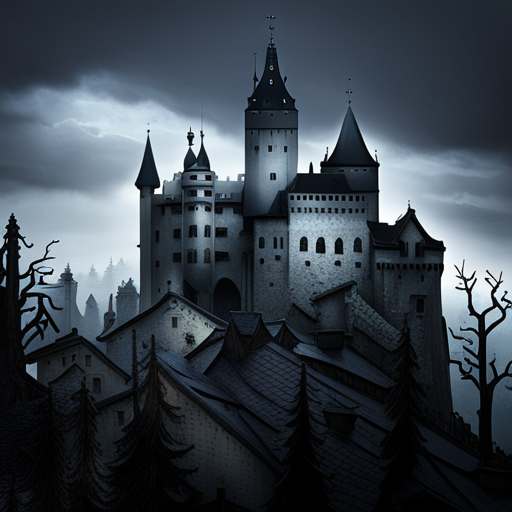
It’s impossible to talk about Bran Castle without mentioning its famous association with Dracula. Located in Romania, Bran Castle is commonly known as Dracula’s Castle due to its ties with Vlad the Impaler, the inspiration behind Bram Stoker’s legendary vampire character, Count Dracula.
Bran Castle sits atop a steep cliff in the Carpathian Mountains and dates back to the 14th century. This imposing fortress served strategic purposes over the centuries, acting as a customs post between the historic regions of Transylvania and Wallachia, as well as a royal residence for the Romanian royal family.
The castle’s connection to Vlad the Impaler is what truly sets it apart. While Vlad was not the original owner of the castle, he is believed to have briefly stayed there during his reign as Voivode of Wallachia in the 15th century. It is said that Vlad’s cruel methods of punishing his enemies by impaling them on stakes earned him the infamous reputation that inspired Bram Stoker to create the character of Count Dracula.
Visitors to Bran Castle can explore its dark corridors, secret passageways, and mysterious rooms filled with antique furniture and historical artifacts. The castle offers a glimpse into Transylvanian medieval life and the legends that surround it.
Today, Bran Castle is one of Romania’s top tourist attractions, drawing in visitors from around the world eager to experience the Gothic atmosphere and probe into the Dracula lore. The castle hosts various events and exhibitions, including a Halloween party that attracts thrill-seekers looking for a spooky night at Dracula’s Castle.
Whether you’re a history buff, a fan of Dracula folklore, or simply curious about ancient architecture, a visit to Bran Castle is sure to leave a lasting impression. Its blend of history, mystery, and myth make it a must-see destination in Romania, offering a unique glimpse into the world of Dracula and the medieval past of Eastern Europe.